Gastroesophageal reflux disease
<languages/> <translate>
Background
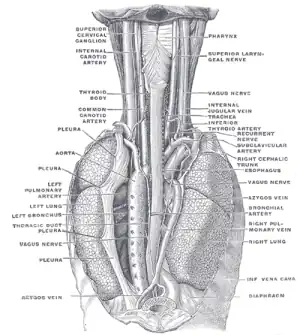
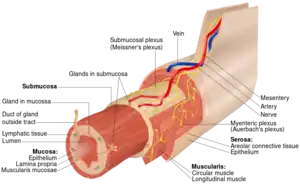
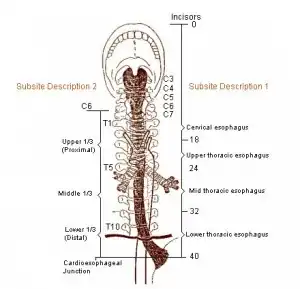
- Abbreviation: GERD
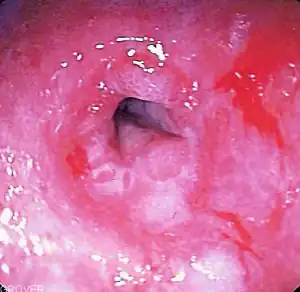
- Definition: a highly variable chronic condition that is characterized by periodic episodes of backward flow of the gastric contents into the esophagus due to improper functioning of a sphincter at the lower end of the esophagus
- Usually accompanied by "heartburn" symptoms and histopathologic changes in the esophagus
- Affects up to 20% of population
- Assume chest pain is cardiac origin until proven otherwise
Causes
- Decreased pressure of lower esophageal sphincter
- High-fat food
- Nicotine
- Ethanol
- Caffeine
- Medications (mintrates, calcium-channel blockers, anticholinergics, progesterone/estrogen)
- Pregnancy
- Decreased esophageal motility
- Achalasia
- Scleroderma
- Diabetes
- Prolonged gastric emptying
- Anticholinergics
- Outlet obstruction
- Diabetic gastroparesis
- High-fat food
Clinical Features
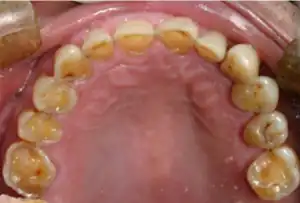
Typical
- Pain and discomfort with or right after meals
- typically described as burning pain
- often worse when lying flat
- +/-Dysphagia
Atypical
- Chest pain with features similar to ACS:
- Exertional, associated with diaphoresis, nausea/vomiting, radiating to arm
- Asthma
- Pneumonia
- Hoarseness
- Aspiration
Pediatric
- Reflux is physiologic in infants
- Pathologic only if it causes complications, such as:
- Failure to thrive/weight loss
- Esophagitis
- Respiratory disease: refractory asthma, recurrent pneumonia, apnea
- BRUE
Differential Diagnosis
</translate>
<translate>
Epigastric Pain
- Gastroesophageal reflux disease (GERD)
- Peptic ulcer disease with or without perforation
- Zollinger-Ellison syndrome
- Gastritis
- Pancreatitis
- Gallbladder disease
- Acute cholecystitis
- Cholangitis
- Symptomatic cholelithiasis
- Acalculous cholecystitis
- Myocardial Ischemia
- Splenic Infarctionenlargement/rupture/aneurysm
- Pericarditis/Myocarditis
- Aortic dissection
- Hepatitis
- Pyelonephritis
- Pneumonia
- Pyogenic liver abscess
- Fitz-Hugh-Curtis Syndrome
- Hepatomegaly due to CHF
- Bowel obstruction
- SMA syndrome
- Pulmonary embolism
- Bezoar
- Ingested foreign body
</translate> <translate>
Management
- Avoid GERD exacerbating agents (ETOH, caffeine, nicotine, chocolate, fatty foods)
- Sleep with head of bed elevated
- Avoid eating within 3hr of sleep
- PPI, H2 blocker, bismuth subsalicylate
Infants
- Small frequent feeds, avoid semi-supine position (e.g. carseat, carrier) right after feeds
- medications only if significant complications
Disposition
- Home (outpatient treatment)
See Also
- Abdominal Pain
References
- ↑ Ranjitkar S, Kaidonis JA, Smales RJ (2012). "Gastroesophageal Reflux Disease and Tooth Erosion". International Journal of Dentistry. 2012: 479850. doi:10.1155/2012/479850. ISSN 1687-8728. PMC 3238367. PMID 22194748.
</translate>