Hydrochloric acid
Background
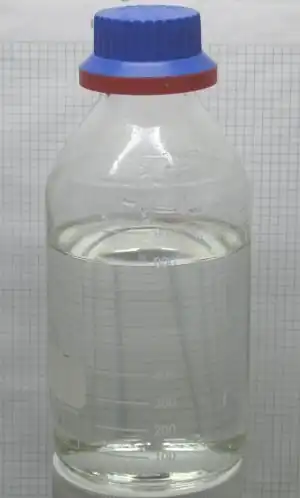
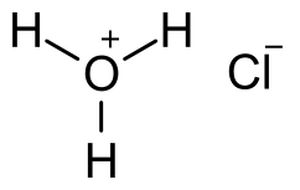
- Strong acid, causes coagulation necrosis due to denaturation of proteins
- Patients may have occupational exposures if working in steel picking, chemical manufacturing, oil/gas-well acidizing, and food processing
- HCl is combustion product of polyvinyl chloride (PVC), can cause chemical inhalation injury, can persist in air for up to an hour after fire extinguished
Clinical Features
- Can be systemically absorbed and → metabolic acidosis, hemolysis, AKI
- Dermal caustic burns
- Ingestion
- All patients with serious esophageal injuries have some initial sign/symptom
- Dysphagia, odynophagia, epigastric pain, vomiting
- Laryngotracheal injury: dysphonia, stridor, respiratory distress
- Occurs via aspiration of caustic or vomitus or inhalation of acidic fumes
- inhalation injury
- PVCs and other arrhythmias
- Delayed onset (2-12 hours) pulmonary edema
- Dyspnea, chest pain
- Caustic keratoconjunctivitis
- Severe eye pain, blepharospasm, reduced visual acuity
- Altered ocular pH (normal = 7.0-7.2)
- Conjunctival injection OR blanching, chemosis, hemorrhage, epithelial defects, corneal loss OR edema, perilimbal ischemia (white ring around iris)
Differential Diagnosis
<translate>
Caustic Burns
- Caustic ingestion
- Caustic eye exposure (Caustic keratoconjunctivitis)
- Caustic dermal burn
- Airbag-related burns
- Hydrofluoric acid
- Tar burn
- Cement burn
</translate>
Evaluation
- Clinical diagnosis
Work-up
- Only necessary in patients with significant injury or volume of ingestion
- CBC, metabolic panel, lactate, serum calcium (if concern for hydrofluoric acid exposure
- ECG
- Tylenol/ASA levels if concerned about coingestion (suicidal patients)
- Ingestion, consider:
- 3-View CXR: look for free air under diaphragm or mediastinal free air
- CT: if suspect perforation but CXR negative
Management
- Decontaminate first: use appropriate personal protective equipment, remove all patient's clothing, decontaminate patient
- Irrigate areas of dermal or ocular exposure, early and copiously!
- Airway management
- Monitor closely for stridor, airway edema, hoarseness, or other signs of airway injury
- Intubate early if signs of airway injury exist, before airway becomes more difficult to manage.
- Consider awake fiberoptic or video laryngoscopy if concern for difficult airway
- Blind nasotracheal intubation is contraindicated in caustic ingestion due to the potential for perforations and false passages
- Bronchodilators for bronchospasm if concern for inhalational injury
Systemic Exposure
- Metabolic acidosis: consider bicarbonate for severe acidosis
- Severe hemolysis may require exchange transfusion
Ingestion
- Airway management especially important!
- Endoscopy
- Indications:
- Perform within 12-24 hours of ingestion (too early can underestimate extent of injury, too late increases risk of wound softening and perforation)
- Esophageal stricture mitigation[1]
- Discuss with GI or toxicologist
- Grade IIb or higher esophageal burns: Methylprednisolone (1 g/1.73 m2 per day for 3 days), ranitidine, ceftriaxone, total parenteral nutrition
- Surgical intervention: indicated if perforation or peritoneal signs
- Contraindicated (or controversial) therapies:
- Antibiotics (unless giving steroids]]
- Activated charcoal (may consider when coingestants pose a risk for severe systemic toxicity)
- Gastric lavage: contraindicated due to potential to cause reflux of caustic agent into esophagus, creating more damage
- Dilution with water or milk: causes vomiting, elevating risk for perforation
- Neutralization (e.g. with milk or mag citrate): generates excess heat
<translate>
Caustic Ocular Exposure Management
- Eye irrigation
- Immediate irrigation is the most important treatment for caustic ocular injury, and should be started before comprehensive evaluation
- Irrigate affected eye(s) with copious amounts of fluid (no consensus on volume or length of time)[2]
- NS, LR, or BSS (Buffered Saline Solution) preferred in the hospital setting[3], but tap water is acceptable, especially in pre-hospital setting.
- Goal is to remove caustic agent and restore normal ocular pH (7.0-7.2)
- Do NOT attempt to neutralize pH by adding base to an acidic burn or acid to an alkali burn
- Use of morgan lens or eyelid speculum will assist with getting more fluid in contact with cornea
- Remove particulate matter
- Evert both lids, remove any visible particulate matter with cotton-tipped applicator
- Anesthesia
- Topical anesthetic (e.g. tetracaine) to help with discomfort.
- Other options include cycloplegics (e.g. atropine, cyclopentolate), IV/IM/PO analgesics
- Antibiotics
- Erythromycin ophthalmic ointment QID for minor burns
- Topical fluoroquinolone for more severe burns
- Control inflammation
- Ophthalmology consultation for all but minor burns (Severe exposures may require debridement or other surgical intervention)
</translate>
Disposition
- Dependant on severity of exposure and complications
See Also
External Links
References
- ↑ High Doses of Methylprednisolone in the Management of Caustic Esophageal Burns. Pediatrics 2014;133:e1518–e1524
- ↑ Chau JP, Lee DT, Lo SH. A systematic review of methods of eye irrigation for adults and children with ocular chemical burns. Worldviews Evid Based Nurs. 2012 Aug;9(3):129-38.
- ↑ Herr RD, White GL Jr, Bernhisel K, Mamalis N, Swanson E. Clinical comparison of ocular irrigation fluids following chemical injury. Am J Emerg Med. 1991 May;9(3):228-31.
- ↑ Dohlman, C.H., F. Cade, and R. Pfister, Chemical burns to the eye: paradigm shifts in treatment. Cornea, 2011. 30(6): p. 613-4.
- ↑ Donshik, P.C., et al., Effect of topical corticosteroids on ulceration in alkali-burned corneas. Archives of ophthalmology, 1978. 96(11): p. 2117-20.