Lung transplant complications
Background
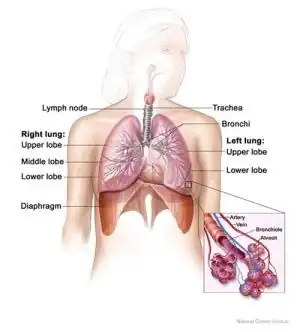 Lobes of the lung with related anatomy.
- Can transplant single lung, bilateral lungs, or heart-lungs
- Indications: cystic fibrosis, COPD, idiopathic pulmonary fibrosis > alpha-1 antitrypsin deficiency, primary pulmonary hypertension, bronchiectasis, sarcoidosis, COVID-19
- Lung is denervated
- regulation of breathing is not lost, as it is through chest wall efferents
- cough response lost below anastomosis
- should have normal ABG (unless patient reliant on hypoxic respiratory drive), exercise response, and bronchomotor tone
Immunosuppressant Medications
- Balance between immune suppression, rejection and susceptibility to infection
- Typical regimen includes: calcineurin inhibitor + antimetabolite + steroid
- Calcineurin inhibitor
- Steroids
- +/- Antimetabolite
Clinical Features/Differential Diagnosis
Infection
- Bronchitis, Pneumonia (common)
- Extra-pulmonary infections (may be severe or opportunistic due to immunosuppression)
Medication adverse effects
- Prednisone
- Hyperglycemia, psychiatric symptoms, poor wound healing, edema, hypertension
- Tacrolimus, cyclosporine
- Neurotoxicity, tremor, hyperkalemia, nephrotoxicity, hypertension, hyperglycemia, gout
- Mycophenolate
- Azathioprine
- Cytopenias, pancreatitis, hepatitis
Airway complications
- Anastomotic bronchial necrosis, dehiscence, or stenosis
- bronchial vasculature is disrupted during procedure, ergo:
- donor bronchus reliant on retrograde pulmonary circulation for perfusion
- anastomoses vulnerable to ischemia
- mild cases may be asymptomatic
- may lead to worsening respiratory symptoms, pneumothorax, pneumomediastinum, focal infections/abscess
- Occlusive granulation tissue
- Asymptomatic, or worsening cough, wheezing, post-obstructive pneumonia
- bronchial/tracheal stenosis, tracheobronchomalacia
- cough, dyspnea, difficulty clearing respiratory secretions, recurrent infections, wheezing, stridor
- bronchopleural, bronchomediastinal, or bronchovascular fisulae
- Pulmonary vasculature problems
- Rejection
- Acute/cellular rejection: clinically silent or nonspecific respiratory symptoms
- Chronic rejection (bronchiolitis obliterans): leads to airflow limitation
Evaluation
- CBC, BMP, tacrolimus/cyclosporine levels
- Infectious workup (including sputum and testing for opportunistic/atypical infections if indicated)
- CXR, CT Chest
- Advanced/inpatient workup may include:
- Bronchoscopy
- Biopsy
- Angiography or dopplers of pulmonary vasculature
Management
Disposition
- Depends on complication, usually admit.
See Also
External Links
References