Unintentional hypothermia (core cooling <35°C) is associated with significant morbidity and mortality. Roughly 1500 persons die of accidental hypothermia in the US annually.[1]
Despite the high mortality associated with pre-hospital arrest, well-directed treatment can result in complete neurologic recovery in the hypothermic patient.[2]
Risk of cardiac arrest increased with temperature <32°C, as stable cardiac rhythms can quickly degenerate into unstable rhythms. Hypothermic patient without a pulse must be managed differently due to physiology changes that occur at low temperatures. Defibrillation and many medications may be ineffective until the core temperature is above 30.0°C. If defibrillation is warranted but unsuccessful, active rewarming should be initiated while CPR is continued.
Causes
Increased heat loss
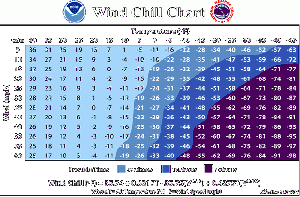
Environmental exposure
Avalanche victims
Homeless population
Elderly patients → particularly low income during winter months
↑Baumgartner EA, Belson M, Rubin C, Patel M. Hypothermiaand other cold-related morbidity emergency department visits: United States, 1995-2004. Wilderness Environ Med 2008;19:233-237
↑Friberg H, Rundgren. Submersion, accidental hypothermia, and cardiac arrest, mechanical chest compressions as a bridge to final treatment: a case report. Scand J Trauma Resusc Emerg Med. 2009; 17: 7
↑Centers for Disease Control and Prevention: Hypothermia-related deaths—United States, 2003–2004. MMWR Morb Mortal Wkly Rep 54: 173, 2005
↑Brown et al., Accidental Hypothermia. N Engl J Med 2012; 367:1930-1938
↑ 5.05.1Hoek T. 2010 American Heart Association Guidelines for Cardiopulmonary Resuscitation and Emergency Cardiovascular Care. Circulation. 2010. 122:5829-5861
↑Fildes J, Sheaff C, and Barrett J. Very hot intravenous fluid in the treatment of hypothermia. J Trauma. 1993; 35(5):683-686.
↑Sheaff CM, Fildes JJ, Keogh P, et al. Safety of 65 degrees C intravenous fluid for the treatment of hypothermia. Am J Surg. 1996; 172(1):52-55.
↑Ginty C, et al. Extracorporeal membrane oxygenation rewarming in the ED: an opportunity for success. American Journal of Emergency Medicine. 2014 December 3 (ahead of print).
↑ 9.09.19.29.39.49.5Kempainen, R. R. and Brunette, D. D. The Evaluation and Management of Accidental Hypothermia. Respir.Care 2004;49(2):192-205
↑Schaller M, Fischer AP, Perret CH. Hyperkalemia: A Prognostic Factor During Acute Severe Hypothermia. JAMA. 1990;264(14):1842–1845. doi:10.1001/jama.1990.03450140064035
↑Paal P, Gordon L, Strapazzon G, et al. Accidental hypothermia-an update : The content of this review is endorsed by the International Commission for Mountain Emergency Medicine (ICAR MEDCOM). Scand J Trauma Resusc Emerg Med. 2016;24(1):111. Published 2016 Sep 15. doi:10.1186/s13049-016-0303-7