Anal fissure
Background
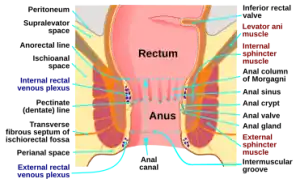
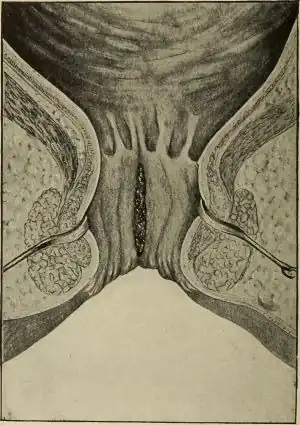
- Superficial linear tear of anal canal from at/below dentate line to anal verge
- May be due to passage of hard stool, frequent diarrhea, or abuse
- Most common cause of painful rectal bleeding
- In >90% of cases anal fissures occur in the midline posteriorly
- Non-healing fissure or one not located in midline suggests alternative diagnosis (e.g. Crohn's, malignancy)
Clinical Findings
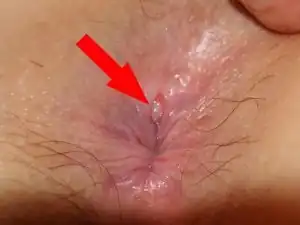
- Acute sharp, cutting pain most severe during and immediately after bowel movement
- Subsides between bowel movements (distinguishes fissure from other anorectal disease)
- Bright red rectal bleeding, small in quantity (usually noticed only on toilet paper)
- Lateral to anus often indicates associated systemic illness such as Crohn's, HIV, leukemia, TB, syphilis
Differential Diagnosis
<translate>
Anorectal Disorders
- Anal fissure
- Anal fistula
- Anal malignancy
- Anal tags
- Anorectal abscess
- Coccydynia
- Colorectal malignancy
- Condyloma acuminata
- Constipation
- Crohn's disease
- Cryptitis
- GC/Chlamydia
- Fecal impaction
- Hemorrhoids
- Internal hemorrhoid
- External hemorrhoid
- Levator ani syndrome
- Pedunculated polyp
- Pilonidal cyst
- Proctalgia fugax
- Proctitis
- Pruritus ani
- Enterobius (pinworms)
- Rectal foreign body
- Rectal prolapse
- Syphilitic fissure
Non-GI Look-a-Likes
- Prostatitis
</translate>
Undifferentiated lower gastrointestinal bleeding
- Upper GI Bleeding
- Diverticular disease
- Vascular ectasia / angiodysplasia
- Inflammatory bowel disease
- Infectious colitis
- Mesenteric Ischemia / ischemic colitis
- Meckel's diverticulum
- Colorectal cancer / polyps
- Hemorrhoids
- Aortoenteric fistula
- Nearly 100% mortality if untreated
- Consider in patients with gastrointestinal bleeding and known abdominal aortic aneurysms or aortic grafts
- Rectal foreign body
- Rectal ulcer (HIV, Syphilis, STI)
- Anal fissure
Evaluation
Workup
- Typically clinical (no studies needed)
Diagnosis
- Having patient bear down may make fissure more noticable
- Sentinel pile, located at distal end of fissure, along with deep ulcer suggests chronicity
- Often misdiagnosed as an external hemorrhoid
Management
- Warm sitz baths 15 min TID-QID and after each bowel movement
- Provides symptomatic relief by improving anal blood flow and relieves anal sphincter spasm
- Topicals
- Pain control with lidocaine
- Vasodilators such as nitroglycerin or nifedipine ointment
- Hydrocortisone
- High-fiber diet
- Prevents stricture formation by providing a bulky stool
- Meticulous anal hygiene is imperative; after defecation anus must be cleaned thoroughly
- Surgical referral indicated if healing does not occur in a reasonable amount of time
Complications
- Anorectal abscess
Disposition
- Most patients can be managed medically and discharged with outpatient follow-up
See Also
- Anorectal Disorders