Diaphragmatic trauma
Background
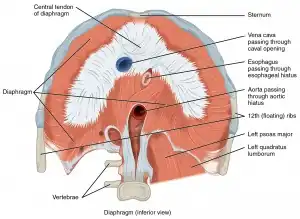
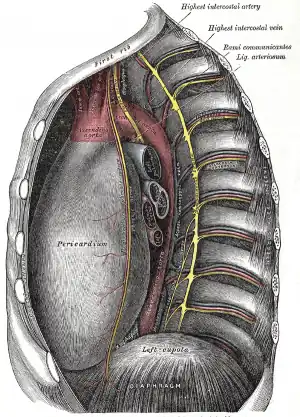
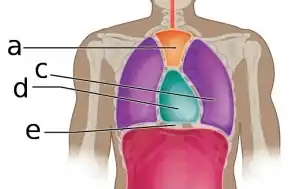
- Associated with penetrating or blunt trauma to lower chest/upper abdomen
- ~65% from penetrating, 35% from blunt[1]
- If missed, can lead to herniation of viscera and tension enterothorax
- Most commonly left sided
- Majority will have other injuries which can mask symptoms of diaphragm injury
- 75% of the time occurs on the left side; the liver is protective on the right side
- Presentation can be delayed months to years after the initial trauma
Clinical Features
- Upper abdominal/lower chest pain
- Shortness of breath
- Diminished breath sounds on side of rupture
- Kehr Sign: shoulder pain from referred diaphragm pain
Differential Diagnosis
Thoracic Trauma
- Airway/Pulmonary
- Cardiac/Vascular
- Musculoskeletal
- Other
<translate>
Abdominal Trauma
- Abdominal compartment syndrome
- Diaphragmatic trauma
- Duodenal hematoma
- Genitourinary trauma
- Liver trauma
- Pelvic fractures
- Acetabular pelvic fractures
- Open book pelvic fracture
- Straddle pelvic fracture
- Pelvic avulsion fracture
- Retroperitoneal hemorrhage
- Renal trauma
- Splenic trauma
- Trauma in pregnancy
- Ureter trauma
</translate>
Evaluation
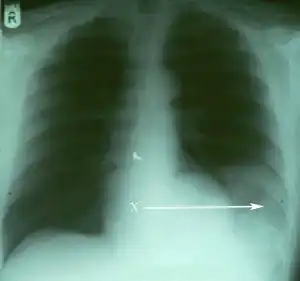
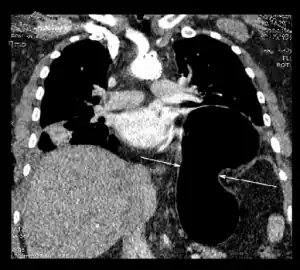
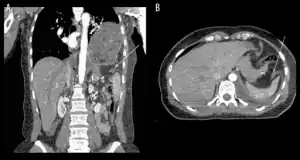
- CXR may show visceral herniation
- Poorly sensitive
- CT chest/abdomen/pelvis with contrast may better detect smaller herniations (roughly 82% sensitive and 88% specific) [2]
- "Collar sign"
- waist-like constriction of abdominal viscera
- "Collar sign"
- MRI better evaluates the diaphragm itself in stable patients in whom the diagnosis is unclear
- Surgical exploration is ultimately the best diagnostic modality (thoracoscopy vs laparoscopy vs ex-lap depending on concurrent injuries)
- Thoracoscopy
- Laparoscopy
Management
- NG tube decompression
- Surgery is required to fix the defect
Disposition
- Admit
See Also
References
- ↑ National Trauma Data Base. American College of Surgeons 2000-2004. https://ntdbdatacenter.com/ (Accessed on January 01, 2021).
- ↑ Yucel, M et al. Evaluation of diaphragm in penetrating left thoracoabdominal stab injuries: The role of multislice computed tomography. Injury. 2015 Sep;46(9):1734-7.