Cervical spinous process fracture
Background
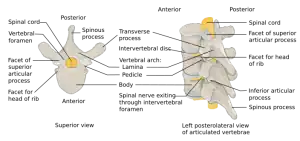
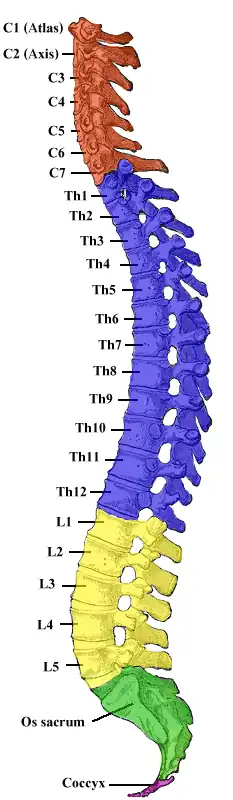
- Isolated fracture of the spinous processes of the lower cervical or upper thoracic vertebrae
- Caused by hyperflexion of neck → muscles pull on supraspinous ligament → avulsion fracture of spinous process
- Also known as "clay shoveler's fracture"
- A "stable" fracture
- C7 is most commonly affected
Vertebral fractures and dislocations types
- Cervical fractures and dislocations
- Thoracic and lumbar fractures and dislocations
Clinical Features
- Pain in lower neck/upper back
- Tenderness over fracture site
Differential Diagnosis
<translate>
Neck Trauma
- Penetrating neck trauma
- Blunt neck trauma
- Blunt cerebrovascular injury (BCVI)
- Vertebral artery dissection
- Carotid artery dissection
- Blunt laryngeal trauma
- Whiplash injury
- Blunt cerebrovascular injury (BCVI)
- Strangulation
- Hanging and near-hanging
- Cervical spine injury
- Cervical fractures and dislocations
- Atlanto-occipital dissociation
- Cervical injury (peds)
- Cervical spine clearance
- Spinal cord injury
- Spinal cord injury
- Incomplete spinal cord syndromes
- Central cord syndrome
- Anterior cord syndrome
- Brown-Séquard syndrome
- SCIWORA
- Neurogenic shock
</translate>
Evaluation
- Plain films or CT (preferred to eval for other injuries) of cervical/thoracic spine
- Neurologic exam (fracture only rarely associated with neurologic injury)
Management
- Prehospital Immobilization see NAEMSP National Guidelines for Spinal Immobilization
- Place in cervical collar - high rates of union with conservative management
Disposition
- Discharge